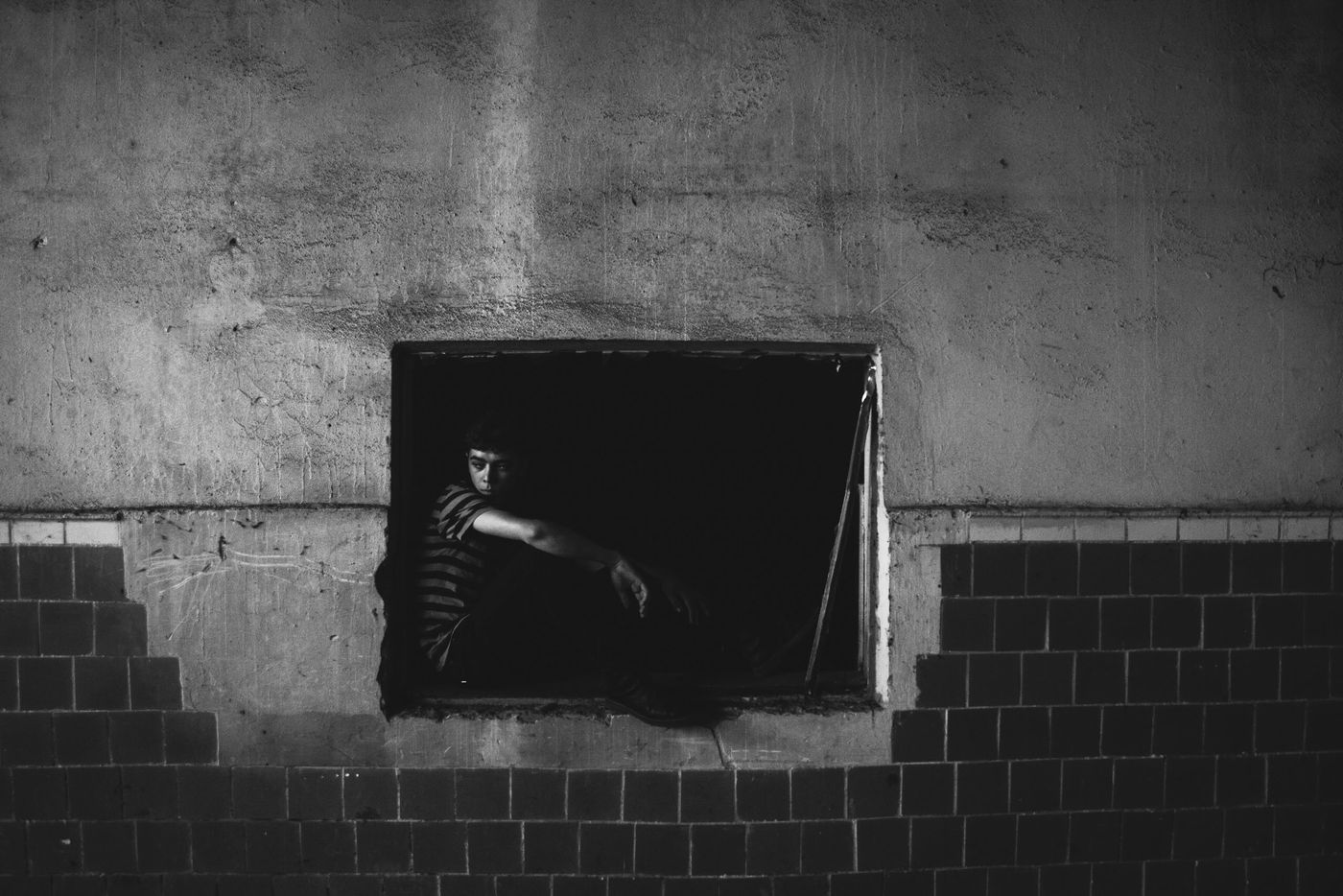
"I am not enough."
There is a child whose gift everyone can see, and whose struggle almost no one does.
Some children carry potential you can see from across a room. The sharp questions, the strange and wonderful ways of thinking, a gift that should be a source of joy. And many of them, through no fault of their own, are missing the one thing that would let it grow: guidance, and a direction to point it in.
Circumstance does that. A classroom that moves too slowly to hold them. A town that does not know what to make of them. A family stretched too thin to see it happening. Instead of developing their God-given talents, these children learn to feel inadequate. Not enough. And a child who believes they are not enough will quietly spend the gift proving it.
You may already know this child. You may be raising one. You may have been one.
Maybe you didn't search "gifted." Maybe you typed "my teenager won't focus," or "ADHD," or "lazy and unmotivated," or "smart kid failing school," or "he shuts down in his room." Whatever words brought you here, they point to the same child — and the label matters far less than what's happening underneath it.
What follows is a way of seeing that child more clearly: the isolation that looks like distance, the bullying that hides behind good grades, the quiet signs that something is wrong. Not so you can fix them — nothing in them is broken — but so you can meet them.
By the end, you'll be able to:
See how the belief "I am not enough" takes root, and why talent alone never removes it.
Recognize the early signs: grades slipping in every subject at once, boredom that reads as laziness, motivation draining out at home.
Read the signs of pulling away, screens, isolation, and the darker turns before they deepen.
Lead with empathy and understand what actually rebuilds adequacy: the gift developed, real responsibility, and acceptance.

Picture the day as they live it.
The morning is fine. The mornings are always fine. Then the hallway, where the same three kids have decided, again, that this child is the target. Then the classroom, where the work is too slow to hold their attention, so their attention wanders and so do the labels. Inattentive. Lazy. Slow. Distracted. Behind. A child who thinks in dynamic symphonies gets written up for not sitting still in a static room.
And underneath it all, one quiet sentence begins its loop: I am not enough.

That is the wound. Everything else grows from it.

Left alone, this story tends to end one of two ways.
The child grits through it. They grow up, they function, they may even look successful. But they carry the complexes with them: motivation and inadequacy fused into two sides of the same coin, working without rest and never feeling it counts. Imposter syndrome meets constant learning and effort, and wins anyway. They learn to fear risk, to flinch at opportunity, to keep the gift small enough that no one can measure it.
The weight turns into depression and anger, then into bids for attention that were always bids for help. And sometimes, in the outcome no family should ever have to live, the world loses the child.
I am not writing this from a distance. The first road is my story. The second one took my brother. Covenant of Education exists because of both.
Rabbi Dr. Izzy Yankiver, Founder
Here is the part that matters most, and it is simpler than everything above it. A child does not come to believe they are enough because someone says so. They come to believe it because someone shows them.
The way through this problem is to take the gifted child seriously: develop the gift instead of managing the symptoms, hand them purpose and meaning through real projects and real responsibility, and teach them, along the way, to accept and value themselves. Do that, and this child is not merely helped. They are given the mentorship to thrive beyond their peers, to lead in their community, and eventually well past it.
All over the world there are children doing remarkable things for one reason: somebody believed in them, and gave that belief a structure. The belief is yours already. The structure is the part a parent can learn.
Most parents are watching for something dramatic. The truth is usually quieter than that.
What used to light up their eyes stops mattering. The instrument stays in its case, the sketchbook stays closed. Walking away from what they loved is a cry for help with the sound turned down.
When the self-criticism becomes a routine, the belief has already taken hold. Listen for the sentence underneath the sentence.
The pulling away after cyberbullying tends to be sudden. The screen goes dark, the door shuts, the silence grows, and they will not name what happened.
One falling grade is a subject problem. All of them falling together is a child problem. In a gradebook, boredom, hurt, and hopelessness all look like laziness. They are not.
These are not moods to wait out. They are a child telling you, in the only language they have left, that the distance between who they are and who they are allowed to be has grown too wide to cross alone.
We are not going to perform your worry back to you. If you are reading this, you already feel its weight. We only want to say the thing that is true and rarely said out loud: what saves these children is almost never more talent. It is one person who sees them clearly, stays, and means it when they say you are enough.
Empathy is where that begins. It is the difference between a child who disappears and a child who is met.
Seeing your child clearly is the ground everything else is built on. The Parent Guide walks you the rest of the way — from reading the signs to giving all that fire a direction to go in, and helping your child slowly begin to believe they were always enough.
See the Parent Guide →